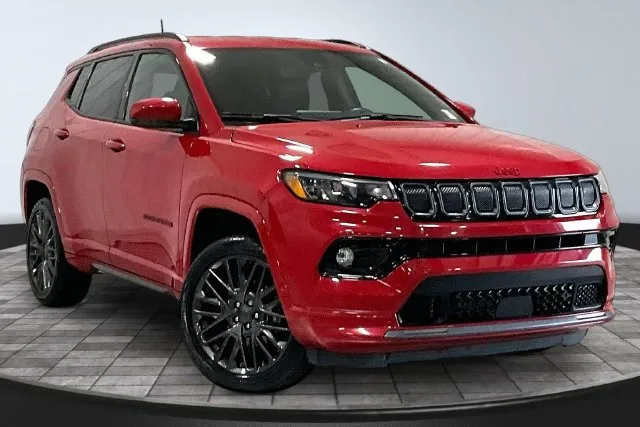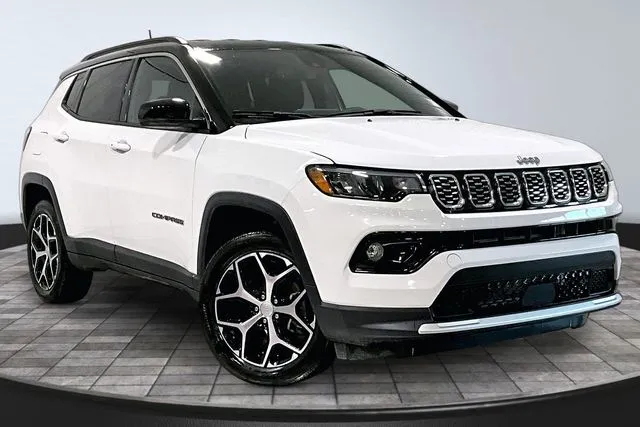

What to Know About A Used Jeep Compass
Southwest Auto Sales - What to Know About A Used Jeep Compass
If you want a compact SUV that balances everyday comfort with authentic Jeep character, a used Compass deserves a top spot on your list. It delivers easy maneuverability for city errands, confident highway manners, and the kind of light off-road ability that makes weekend detours more fun. In this guide, we’ll walk through what to look for, how trims differ, key model-year notes, and smart steps to take before you buy so you can shop with confidence.
At Southwest Auto Sales, our goal is to make your search simple and transparent from the first click to the final signature. We hand-select vehicles, review history and condition, and provide clear next steps for financing and trade-ins. Below, you’ll find practical insights tailored to the used Compass so you can match features, budget, and lifestyle without the guesswork.
Why a Used Jeep Compass Makes Sense
The Compass sits squarely in the compact SUV class, which means you get seating for five, a flexible cargo area, and an elevated driving position. What sets it apart is the brand’s heritage for capability, especially in trims equipped with Jeep’s 4x4 systems and selectable drive modes. It’s a choice that’s just as comfortable commuting across town as it is exploring backroads.
- Size and fit: Easy to park and nimble in traffic while offering generous headroom and cargo flexibility.
- All-weather confidence: Available 4x4 and Selec-Terrain modes help optimize traction on loose or slippery surfaces.
- Cabin tech: Many models include intuitive Uconnect infotainment with a touchscreen, Bluetooth, and smartphone integration on newer years.
- Value retention: Strong brand recognition and wide feature availability make the Compass a smart buy in the pre-owned market.
- Comfort and quiet: Supportive seats and a compliant ride make longer drives more relaxing than you might expect in a compact SUV.
Trims and Features to Look For
Across model years, the Compass typically comes in trims such as Sport, Latitude, Limited, and Trailhawk. Each one layers on features and capability, so it’s worth deciding what matters most to you before you test-drive.
- Sport: Often the value leader with the essentials, great if you prefer a simpler cabin and a lower entry point.
- Latitude: A popular middle ground that may add upgraded cloth or leatherette, alloy wheels, and more convenience tech.
- Limited: Tends to lean premium with leather seating options, larger screens, and a refined feel for daily driving.
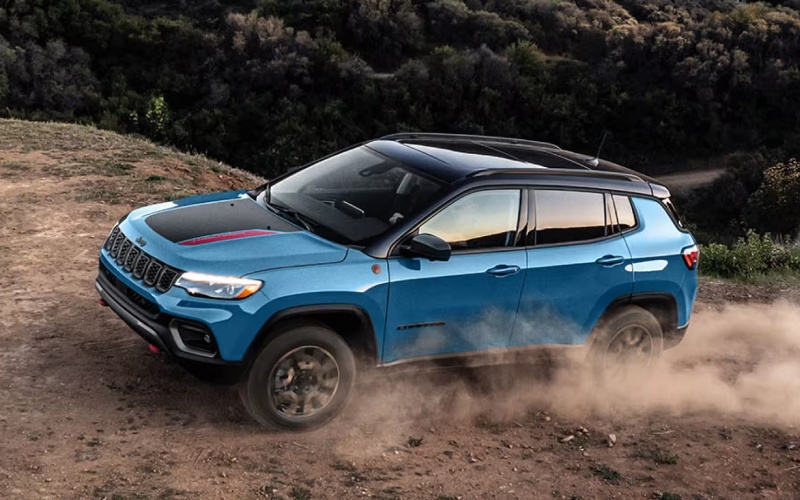
- Trailhawk: The most adventure-ready with higher ground clearance, skid plates, tow hooks, all-terrain drive modes, and unique styling cues.
Feature availability varies by year and packages, but you’ll commonly find options like heated seats, a heated steering wheel, dual-zone climate control, panoramic sunroof, power liftgate, and advanced driver assistance features. On newer models, look for Apple CarPlay and Android Auto, and on recent refreshes, larger touchscreens and upgraded digital displays.
Model-Year Notes in Plain Language
When comparing used Compass options, it helps to understand the broader timeline. The second-generation Compass arrived for the 2017 model year, bringing a more upscale interior, modern styling, and improved technology. From there, successive updates generally added driver-assist features, refined infotainment, and interior polish.
Here are handy pointers for cross-shopping: If you prioritize value, earlier second-generation years often deliver strong feature sets for the price. If advanced safety and larger screens are must-haves, consider newer model years, which commonly include driver aids such as lane-keep assist and blind-spot monitoring, plus expanded smartphone integration. Shoppers focused on capability should keep an eye out for Trailhawk models across the range, which bring serious hardware for rougher routes.
What to Check on Your Test Drive
You’ll quickly tell whether a specific Compass suits your needs by giving attention to a few key areas on the lot and on the road. A thoughtful test drive can confirm the right fit and protect your budget from surprises.
- Transmission behavior: Look for smooth, consistent shifting and minimal hesitation at low speeds or during quick passing maneuvers.
- Steering and brakes: The wheel should track straight with confident brake feel and no pulsing under firm stops.
- Ride quality: Listen for rattles over rough patches; a tight, quiet cabin signals good overall care.
- 4x4 engagement: If equipped, verify that selectable modes engage without warning lights and that there are no unusual noises.
- Electronics and features: Test the touchscreen, Bluetooth, cameras, power seats, and climate controls to ensure everything works as expected.
- Tires and alignment: Uneven wear can hint at misalignment or suspension issues—use it as a negotiation and service check point.
- Service history: Ask about routine maintenance, fluid changes, and any software updates or campaign work completed.
Before you sign, request a vehicle history report, confirm there are no open recalls, and consider a pre-purchase inspection. These simple steps provide clarity on prior ownership, maintenance consistency, and any items to address right away.
Ownership Costs and Everyday Practicality
Part of the Compass appeal is how approachable it is to own. Insurance rates tend to be manageable for the class, and routine maintenance is straightforward: oil and filter changes, tire rotations, brake inspections, and fluid checks at regular intervals. If you choose a 4x4 model and plan frequent trail use, budget for additional tire wear and occasional underbody checks, especially after rugged trips.
Cabin practicality shines in daily life. Split-folding rear seats help with bulky gear, the load floor is user friendly, and storage spaces keep essentials tidy. Visibility is solid, and for longer drives, available driver aids reduce fatigue. With thoughtful care and timely servicing, the Compass is well suited to commuting, family duty, and light-adventure weekends alike.
Financing, Trade-In, and Next Steps
When you find the right Compass, our team can help you compare financing options, walk through terms in plain language, and streamline approval so you can focus on the vehicle. If you have a trade-in, we provide a quick valuation process and a clear, competitive offer. Prefer to plan ahead? We make it easy to get pre-qualified, estimate payments, and schedule a test drive on your timeline.
We welcome shoppers throughout the region, serving Fort Wayne, Huntington, and Auburn. Whether you are upgrading from a sedan, right-sizing from a larger SUV, or picking your first Jeep, our process is built to keep things simple and customer-first from start to finish.
Frequently Asked Questions:
Is the Jeep Compass good in winter or on unpaved roads?
With available 4x4 and Selec-Terrain settings, the Compass is confident on loose or low-traction surfaces. The Trailhawk trim further improves approach and departure angles, adds skid plates and tow hooks, and is tuned for more demanding routes. For the best results in colder months, pair your Compass with quality all-season or winter-rated tires.
Which Compass trim is the best value?
That depends on your priorities. Latitude often strikes a strong balance of features and price, while Limited focuses on comfort and amenities. If you want maximum off-road capability, Trailhawk is the clear pick. We can help you compare available vehicles side by side to match the right trim to your budget and wish list.
What technology should I look for in a used Compass?
Consider Uconnect with a larger touchscreen, Apple CarPlay and Android Auto, a backup camera, and driver aids like blind-spot monitoring, adaptive cruise control, and lane-keep assist on newer models. These features add safety, convenience, and resale appeal.
How should I evaluate mileage versus condition?
Mileage is only part of the story. A Compass with consistent maintenance, clean history, and a smooth test drive is often a better buy than a lower-mile example with gaps in service or unresolved issues. Ask for service records and use a pre-purchase inspection to confirm condition.
Can I tow with a Jeep Compass?
Properly equipped Compass models can tow light loads. Always consult the specific vehicle’s owner’s manual and equipment to confirm ratings, and use appropriate towing hardware. If towing matters to you, let us know and we will focus your search on models configured for the job.
What maintenance should I plan for after purchase?
Start with the basics: oil and filter changes, tire rotations, brake checks, and fluid inspections. If the vehicle is new to you and approaching a major interval, consider a baseline service visit to establish a maintenance record under your ownership.
When you are ready to explore a used Jeep Compass, our team is here to guide you through selection, test drives, financing, and long-term care. Reach out to us to see current availability, compare trims and features, and schedule time behind the wheel. We look forward to helping you find the right Compass at the right terms for you.