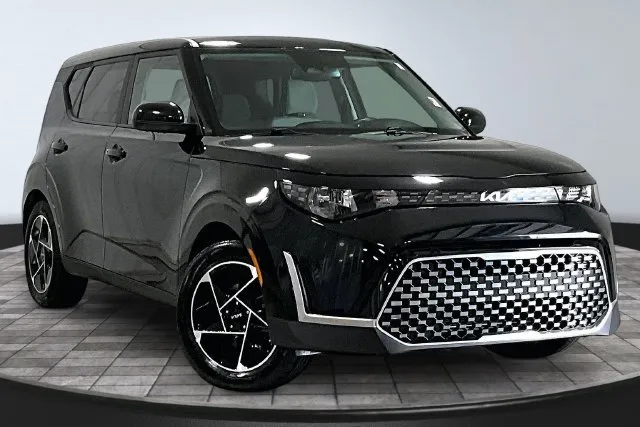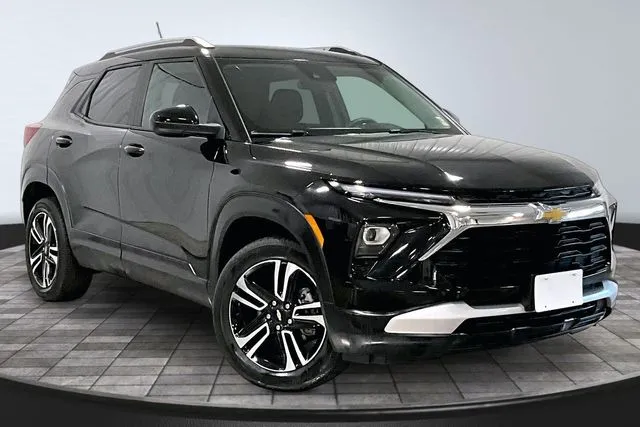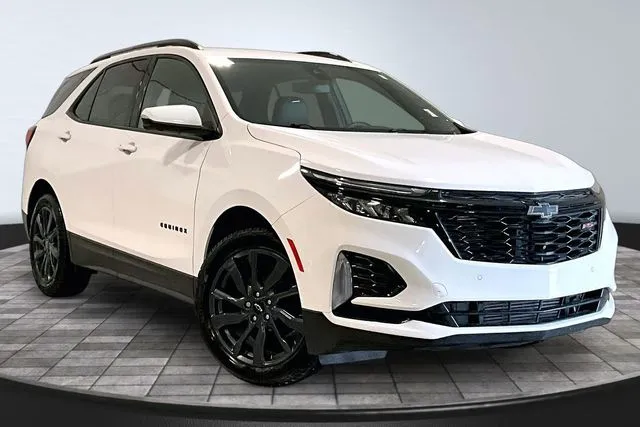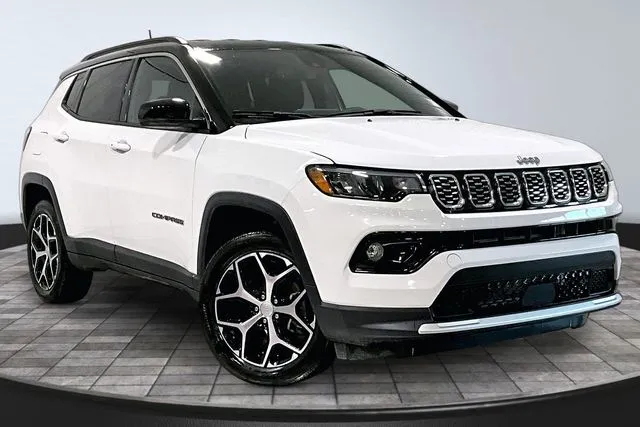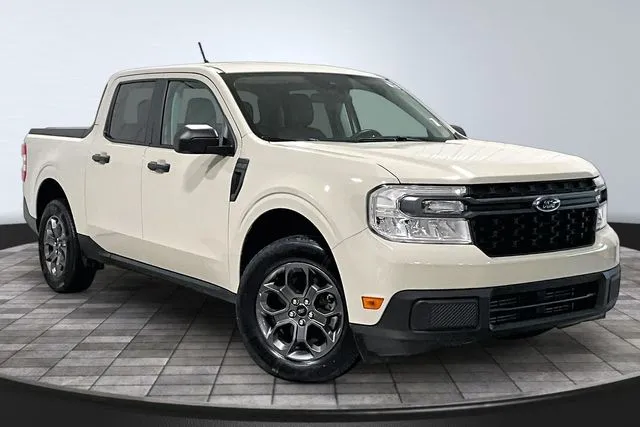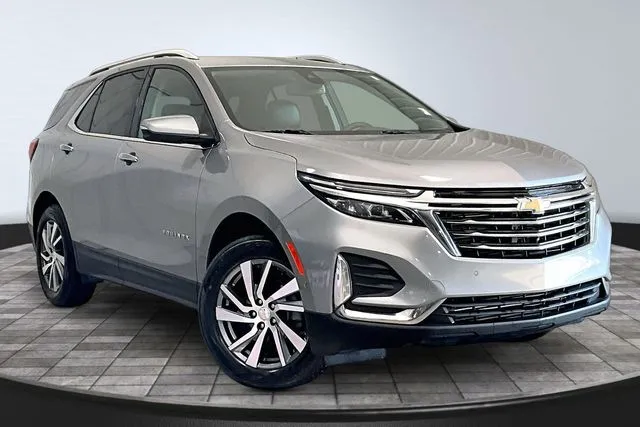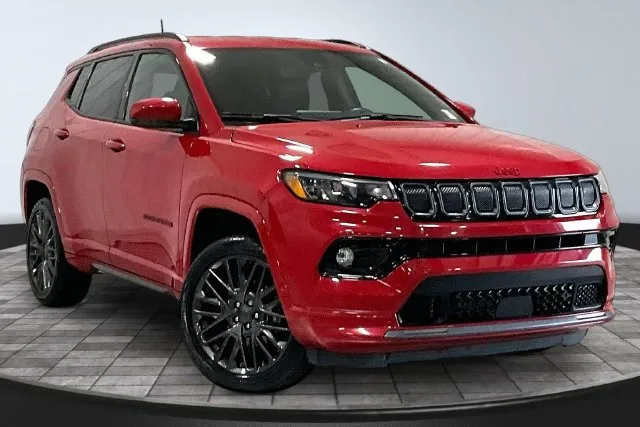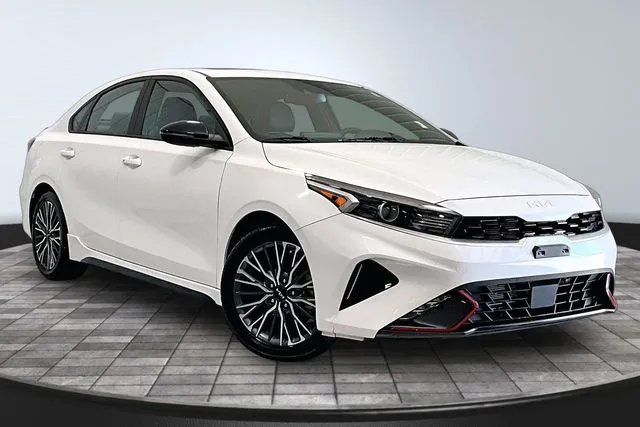

Used SUVs Under $25,000 near Marion, IN: A Practical Buying Guide

Southwest Auto Sales - Used SUVs Under $25,000 near Marion, IN: A Practical Buying Guide
Shopping for used SUVs under $25,000 near Marion, IN is a smart way to balance space, comfort, capability, and long-term value without moving into new-vehicle territory. For many Marion drivers, an SUV makes sense because daily driving is rarely one-dimensional. One vehicle may need to handle a commute toward Gas City or Fort Wayne, school drop-offs, weekend errands along the Marion bypass, and the occasional longer trip across northeast Indiana. A well-chosen used SUV can give you flexibility without feeling oversized or impractical.
At Southwest Auto Sales, our used-vehicle focus includes cars, trucks, vans, hybrids, hatchbacks, and SUVs, with financing tools, trade-in options, and service support designed to make the buying process more straightforward for shoppers from surrounding Indiana communities, serving Roanoke, Fort Wayne, and Huntington. Because used SUV inventory changes regularly, the smartest approach is not to chase one exact model, but to understand which size, features, mileage range, ownership costs, and financing factors fit your life before you test drive.
For Marion shoppers, a budget-focused used SUV search should start with the question: what do you need the SUV to do most often? A compact SUV may be ideal if you want easier parking, strong fuel economy, and enough cargo space for groceries, sports gear, or work bags. A midsize SUV may be a better fit if you frequently carry passengers, need more rear-seat room, or want extra confidence on rural roads outside Grant County. A three-row SUV may be worth considering for larger families, carpooling, or drivers who want the option to fold seats flat for extra cargo space.
Why Used SUVs Under $25,000 Appeal to Marion Drivers
The under $25,000 SUV category attracts shoppers who want a practical payment range, modern features, and more choices than many lower-price segments. While exact vehicles and market conditions vary, this budget tier can often put shoppers in range of late-model compact and midsize SUVs from well-known brands, along with some higher-trim or larger SUVs with more miles. The key is to compare total value instead of focusing only on the number on the windshield.
Marion-area roads can include a mix of city streets, state highways, county roads, and interstate driving. That variety makes ride comfort, visibility, tire condition, braking feel, and steering response especially important during a test drive. An SUV that feels composed on a short neighborhood loop should also feel stable at highway speeds and predictable during lane changes, turns, and stops. If your routine includes regular drives on IN-9, IN-18, or I-69, spend time thinking about cabin noise, seat comfort, and fuel efficiency, not just cargo room.
Compact, Midsize, or Three-Row: Which Used SUV Size Fits Best?
Used SUV shoppers often start with a brand preference, but size class may matter even more. Compact SUVs such as a Chevrolet Equinox, Ford Escape, Kia Sportage, Hyundai Tucson, Toyota RAV4, Honda CR-V, Nissan Rogue, or Subaru Forester can be excellent for commuters, small families, and drivers who want a manageable footprint. These SUVs typically offer useful cargo space while staying easy to park at work, school, restaurants, and stores around Marion.
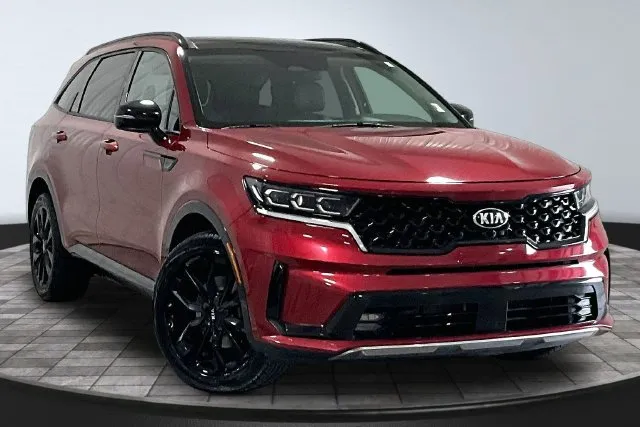
Midsize SUVs such as a Ford Edge, Chevrolet Traverse, GMC Acadia, Jeep Grand Cherokee, Hyundai Santa Fe, Kia Sorento, Nissan Murano, or Toyota Highlander can provide more passenger space, stronger available engines, and a more substantial road feel. Some offer two rows, while others include three rows. If your family regularly carries adults or older kids in the back seat, the added legroom can make a meaningful difference. If towing a small trailer or hauling more cargo is part of your routine, a midsize SUV may also be worth comparing.
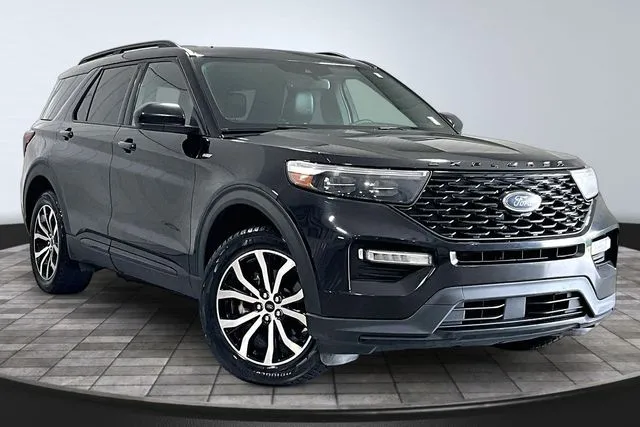
Three-row SUVs are best for shoppers who truly need passenger flexibility. Models such as a Ford Explorer, Dodge Durango, Chevrolet Traverse, GMC Acadia, Honda Pilot, or Toyota Highlander can offer an extra row when needed, then fold down for cargo. Before choosing a three-row SUV, test the third row for actual usability. Some third rows are best for children or short trips, while others are more comfortable for frequent passenger use.
Features Worth Prioritizing in a Budget-Friendly Used SUV
When comparing used SUVs under $25,000, prioritize features that improve daily ownership rather than options that simply look good in photos. A panoramic roof, premium wheels, or upgraded trim can be appealing, but long-term satisfaction often comes from comfort, safety, efficiency, and condition. For Marion drivers who spend time commuting, hauling family, or traveling between nearby towns, the right features can make the SUV feel better every day.
- All-wheel drive or four-wheel drive: Helpful if you regularly drive rural roads, gravel lanes, or want added traction confidence, though it can add maintenance considerations.
- Fuel efficiency: Important for commuters traveling between Marion, Gas City, Upland, Wabash, and Fort Wayne.
- Driver-assist technology: Features like blind-spot monitoring, rear cross-traffic alert, lane support, and forward collision warning can add peace of mind.
- Rear-seat space: Essential if you often carry passengers, car seats, teenagers, or coworkers.
- Cargo flexibility: Folding rear seats, a wide liftgate opening, and a flat cargo floor make errands and trips easier.
- Service history: Maintenance records can reveal how well the SUV was cared for before you buy.
- Tire and brake condition: These items affect safety, ride quality, and near-term ownership costs.
How to Judge Mileage and Condition on a Used SUV
Mileage matters, but it should not be the only factor in your decision. A lower-mileage SUV with limited maintenance history may not automatically be better than a higher-mileage SUV with consistent service records. Look for evidence of regular oil changes, tire rotations, brake inspections, fluid services, and repair history. SUVs are often used for family travel, commuting, and cargo hauling, so condition tells an important story.
During a walkaround, look for uneven tire wear, mismatched tires, body panel gaps, fluid leaks, rust concerns, cracked lights, or interior damage that seems beyond normal use. Inside the SUV, test the air conditioning, heat, infotainment system, power windows, locks, seat controls, backup camera, USB ports, and all major controls. Small issues can be manageable, but multiple neglected details may suggest the previous owner did not stay ahead of maintenance.
The test drive should include low-speed turns, steady cruising, braking, acceleration, and rougher pavement when possible. Listen for clunks, grinding, squeaks, humming, or hesitation. A used SUV should shift smoothly, track straight, stop confidently, and feel stable. If you are comparing two similar SUVs, the one with a calmer test drive and better maintenance history may be the stronger long-term value, even if another option has flashier features.
Financing and Trade-In Tips for Marion SUV Shoppers
Financing is a major part of shopping for a used SUV in this price range. Before choosing a vehicle, consider how the purchase fits your overall budget, including insurance, fuel, maintenance, registration, and potential repairs. A reliable SUV should support your routine, not stretch your finances so far that normal ownership costs become stressful. Online pre-qualification and loan tools can help you understand a comfortable range before you visit.
If you currently own a car, truck, van, or SUV, your trade-in can also shape the buying process. Getting an estimate ahead of time helps you compare options more clearly. Be honest about your vehicle’s mileage, condition, accident history, warning lights, and tire or brake needs. A realistic trade-in picture can help you decide whether to upgrade now or wait a little longer.
- Start with your needs: Decide whether compact, midsize, or three-row space is the best match.
- Set a comfortable budget: Think about total ownership costs, not just the vehicle category.
- Check your credit position: Pre-qualification can help you shop with more confidence.
- Estimate your trade-in: A current vehicle value can help guide your next steps.
- Compare condition carefully: Maintenance history, tires, brakes, and test-drive feel all matter.
- Ask about service support: Ongoing maintenance access can make ownership easier after the sale.
Used SUV Examples to Compare
While availability changes, it helps to know what different SUV types are usually known for. A Chevrolet Equinox or Ford Escape may appeal to shoppers who want an easy-driving compact SUV with practical cargo space. A Kia Sportage, Hyundai Tucson, Nissan Rogue, Toyota RAV4, Honda CR-V, or Subaru Forester can be strong comparison points for comfort, fuel economy, and everyday usability. If you need more room, a Ford Explorer, GMC Acadia, Chevrolet Traverse, Dodge Durango, or Honda Pilot may provide more passenger and cargo flexibility.
Brand reputation is useful, but every used SUV should be judged individually. Trim level, drivetrain, mileage, accident history, service records, tire quality, and how the vehicle feels on the road all influence value. A shopper focused on commuting may choose a fuel-efficient compact SUV, while a family may prefer a midsize model with a wider second row. A driver who frequently hauls gear may care more about cargo shape and liftgate access than third-row seating.
Frequently Asked Questions:
What is the best used SUV under $25,000 near Marion, IN?
The best choice depends on your needs. Compact SUVs are great for commuting and fuel savings, midsize SUVs offer more comfort and power, and three-row SUVs work better for larger families. The strongest option is usually the SUV with the right size, good maintenance history, clean condition, and a confident test drive.
Should I choose all-wheel drive in a used SUV?
All-wheel drive can be helpful for traction confidence, especially if you drive rural roads or want added stability in poor conditions. However, it may increase maintenance needs and fuel use compared with front-wheel drive. If most of your driving is city and highway travel, compare both before deciding.
How many miles is too many for a used SUV?
There is no single cutoff. Maintenance history, driving conditions, brand reputation, and current condition matter as much as mileage. A well-maintained SUV with higher mileage can be a better value than a lower-mileage vehicle that shows signs of neglect.
What should I inspect before buying a used SUV?
Check tires, brakes, suspension feel, steering response, service history, interior electronics, climate control, engine performance, transmission smoothness, and signs of leaks or body damage. A thorough test drive is one of the most important steps.
Can I finance a used SUV if my credit is not perfect?
Many used SUV shoppers explore financing with a wide range of credit backgrounds. Pre-qualification tools can help you understand possible options before choosing a vehicle, and a trade-in may also help with the overall purchase plan.
A used SUV under $25,000 can be a smart fit for Marion drivers who want versatility without overcomplicating the buying process. Focus on the SUV’s real-world purpose, compare size classes carefully, review condition and service history, and think through financing before you commit. With the right preparation, you can narrow your search to vehicles that make sense for your daily routine, your passengers, and your long-term ownership goals.