
Finding the Right Pre-Owned SUV or Truck for Warsaw, IN Driving Needs
Southwest Auto Sales - Finding the Right Pre-Owned SUV or Truck for Warsaw, IN Driving Needs
Choosing between a pre-owned SUV and a pre-owned truck becomes easier when you start with your real driving routine. Around northeast Indiana, drivers often cover a mix of highways, town streets, rural routes, and county roads, so a vehicle needs to feel comfortable in more than one setting. A compact SUV may be ideal for commuting, errands, school activities, and simple parking. A midsize or full-size SUV can add cargo space, passenger room, and stronger road presence. A pickup truck, on the other hand, can support work equipment, home projects, towing needs, and outdoor gear without crowding the cabin. At Southwest Auto Sales, we help shoppers think through those everyday details so each test drive has a clear purpose.
For shoppers serving Wabash, Warsaw, and Angola, the right used SUV or truck often depends on how much space, capability, and flexibility your schedule demands. A driver who spends time near Warsaw business corridors may want a smooth-riding SUV with good visibility, modern technology, and easy cargo access. A Wabash-area driver with rural property or work tasks may prefer a truck bed and available four-wheel drive. An Angola-area driver who visits lakes, parks, or local destinations may appreciate an SUV with fold-flat seating or a pickup with enough room for gear. The best pre-owned vehicle is not always the largest or most powerful option. It is the model that fits your route, passengers, cargo, comfort preferences, and long-term ownership plans.
SUV Strengths for Local Drivers
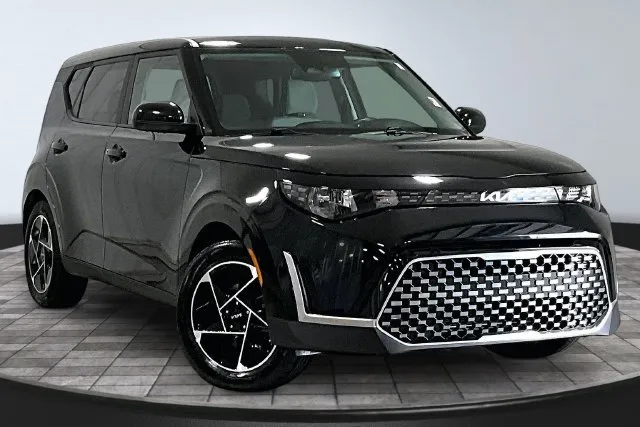
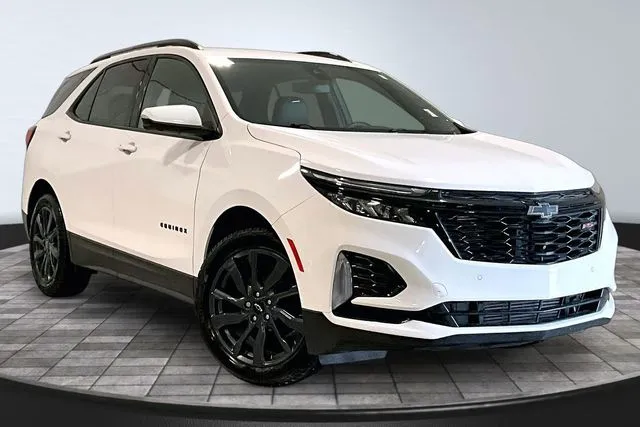
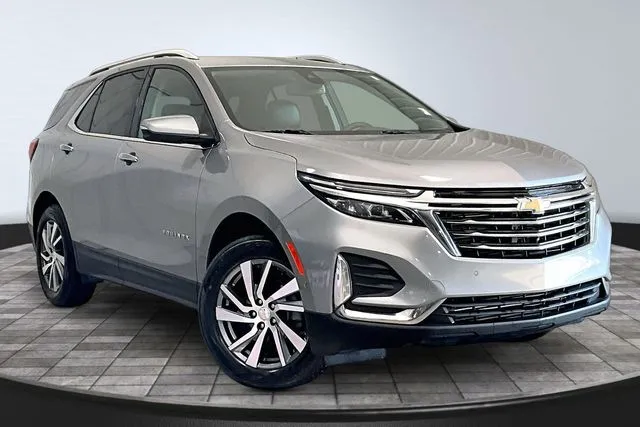
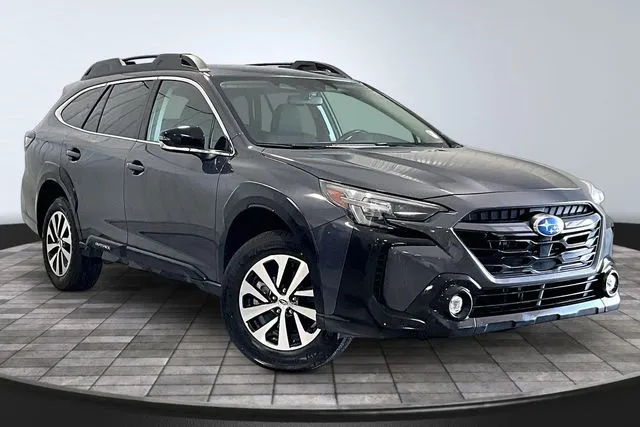
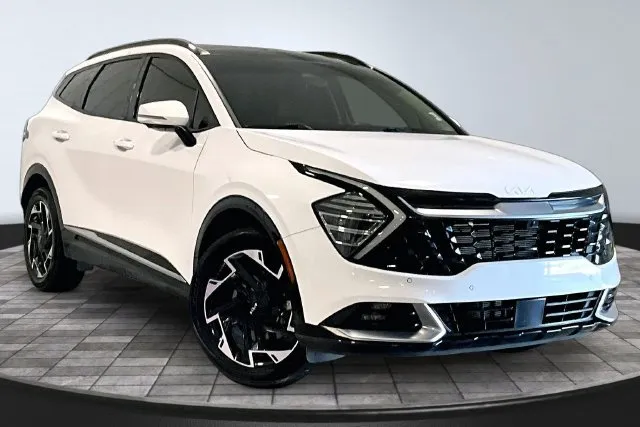
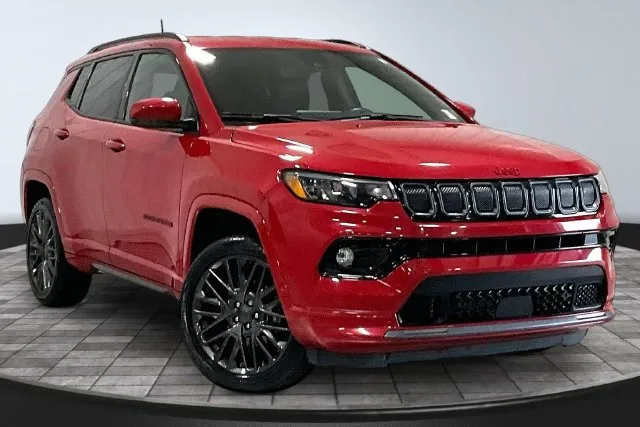
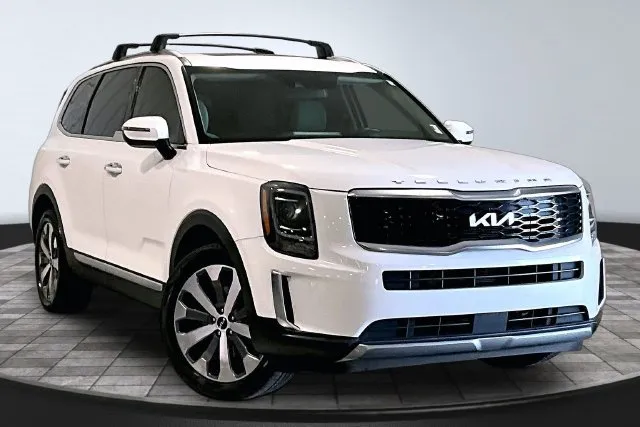
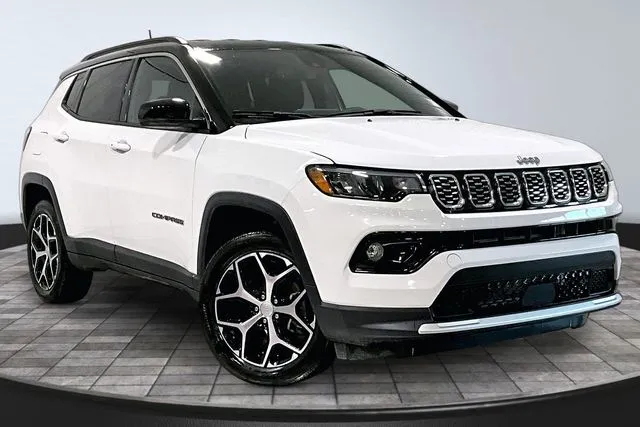
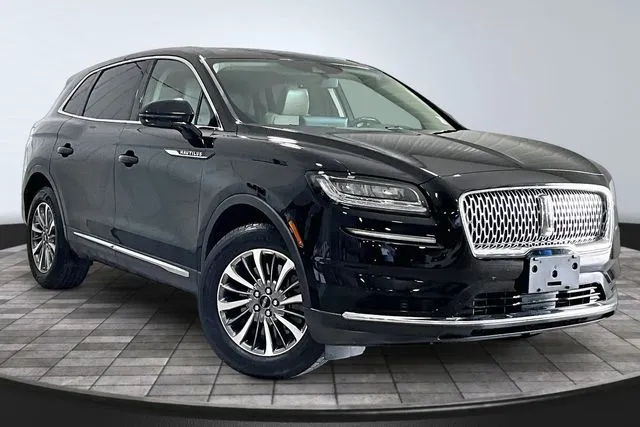
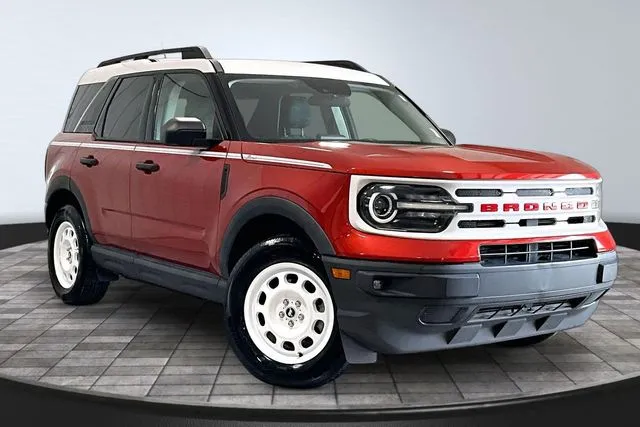
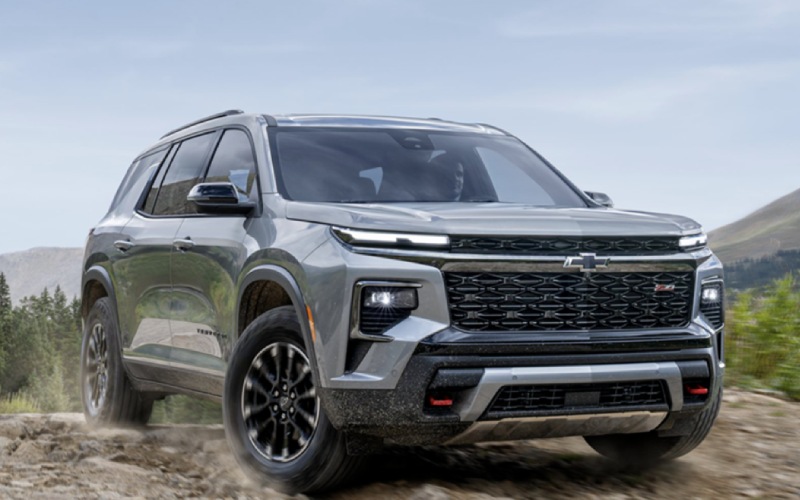
Pre-owned SUVs remain popular because the body style offers a strong mix of everyday comfort and practical utility. Many SUV shoppers want a higher seating position, easier cargo loading, and a cabin that can handle both passengers and supplies. Compact SUVs can feel efficient and easy to maneuver, while midsize SUVs can bring more legroom and cargo depth. Third-row SUVs can be especially useful for families, group travel, and anyone who wants extra seating without moving into a van. Available all-wheel drive or four-wheel drive can also add confidence on gravel roads, long driveways, and less predictable road surfaces, while still keeping the enclosed cargo area secure and protected.
When comparing used SUVs, focus on more than exterior size. Open the rear doors, test the second-row and third-row seating, fold the seats, and check whether the cargo space works for your routine. If child seats are part of your life, confirm the seat anchors are easy to reach and that front-seat comfort remains strong once car seats are installed. If you often carry sports equipment, tools, luggage, groceries, or pet supplies, cargo-floor height and rear hatch access can matter as much as total cubic space. Technology also deserves attention. Backup cameras, smartphone integration, blind spot monitoring, lane assistance, parking sensors, and user-friendly climate controls can make a used SUV feel more convenient every day.
Truck Strengths for Work, Projects, and Utility
A pre-owned truck is a smart match when you need open-bed flexibility, towing capability, or a tougher setup for work and home projects. Pickup shoppers often compare cab size, bed length, engine configuration, drivetrain, payload capacity, and towing equipment. A crew cab can support passengers and interior storage, while an extended cab or regular cab may appeal to drivers who prioritize bed space or a simpler work-focused layout. Bed liners, tie-downs, trailer hitches, running boards, tonneau covers, and integrated storage can add real value, especially if those features match your daily use.
During a truck test drive, pay close attention to steering feel, braking response, suspension behavior, and transmission smoothness. Trucks can vary widely based on past use. A pickup used for light commuting may feel very different from one used for frequent hauling or towing. Look at the bed for dents, heavy scratches, or signs of hard use. Check the tires for even wear, examine the hitch area, and ask about maintenance. Four-wheel drive operation should be tested when appropriate, and the cabin should be reviewed for comfort, visibility, and practical storage. The right truck should feel capable without making your normal drive more difficult than necessary.
Key Questions Before You Test Drive
- Daily route: Think about highway miles, town driving, rural roads, parking areas, and how often you carry passengers.
- Cargo needs: Decide whether enclosed SUV storage or an open truck bed supports your lifestyle better.
- Drivetrain preference: Consider front-wheel drive, rear-wheel drive, all-wheel drive, or four-wheel drive based on your roads and usage.
- Cabin priorities: Look for seating comfort, visibility, infotainment, climate controls, storage, and safety technology.
- Ownership plan: Review expected maintenance, tire costs, fuel use, and how long you plan to keep the vehicle.
A thoughtful test drive should include more than a quick loop around the block. Bring the people who will ride with you most often if possible, or at least consider how each seating position will be used. Drive at neighborhood speeds and on a faster road if available. Test acceleration, braking, turning radius, parking comfort, and visibility. For SUVs, fold the seats and check cargo flexibility. For trucks, inspect the bed and consider how easy it is to reach over the sides or load heavier items. If towing is part of your plan, ask about equipment and capacity rather than assuming every truck trim can handle the same job.
Financing, Trade-Ins, and Long-Term Value
Once you narrow your SUV or truck choices, financing and trade-in planning become the next important steps. Online pre-approval can help you understand possible financing options before selecting a final vehicle. A trade-in estimate can also help you plan, especially if your current vehicle no longer fits your needs. Pre-owned SUVs and trucks can hold strong appeal because many models offer proven capability, modern features, and practical value. Still, the smartest decision comes from balancing vehicle condition, mileage, features, financing fit, and maintenance expectations. A well-chosen used SUV or truck should support your life today while remaining useful as your needs change.
Frequently Asked Questions:
What should I look for first when buying a used SUV?
Start with seating, cargo space, condition, maintenance history, mileage, drivetrain, and safety features. A test drive should confirm comfort, visibility, smooth braking, quiet operation, and easy use of the controls.
What should I look for first when buying a used truck?
Review cab size, bed condition, towing equipment, drivetrain, tire wear, suspension feel, and service history. If you need the truck for work or towing, confirm capability before focusing on appearance or accessories.
Is an SUV or truck better for family use?
An SUV is often easier for family use because of enclosed cargo space, rear-seat access, and available third-row seating. A truck can still work well if you need bed utility and choose a cab with enough passenger space.
Should I value my trade before shopping?
Yes. A trade-in estimate can help you understand your starting point and compare vehicles with more confidence. It also helps make the visit more efficient once you are ready for a test drive.