
Comparing Used Jeep and Ford SUVs for Huntington, IN Driving Needs
Southwest Auto Sales - Comparing Used Jeep and Ford SUVs for Huntington, IN Driving Needs
Drivers shopping for a used SUV often start with a simple question: should the next vehicle be a Jeep or a Ford? Both brands have strong followings, both offer multiple SUV sizes, and both can be smart choices for northeast Indiana roads. The best answer depends on how the SUV will be used during the week and what matters most over several years of ownership. A driver who wants an SUV with rugged character, available four-wheel drive, and a more adventurous personality may naturally look toward Jeep. A driver who wants a quiet commute, family-friendly seating, broad model variety, and easy everyday comfort may lean toward Ford. The good news is that used SUV shoppers do not have to choose based on guesswork. By comparing vehicle condition, mileage, features, drivetrain, service history, and test-drive impressions, it becomes much easier to find the right match.
At Southwest Auto Sales, we help SUV shoppers compare real-world options with a practical approach, serving Huntington, Auburn, and Bluffton as well as Roanoke, Fort Wayne, and nearby communities. Our inventory often includes a variety of body styles, from SUVs and trucks to sedans, vans, hybrids, and hatchbacks, which helps customers evaluate more than one path before making a decision. For many local drivers, the ideal SUV needs to handle county roads, daily commutes, school activities, work errands, highway travel, and occasional hauling. A used Jeep Compass, Cherokee, Grand Cherokee, Wrangler, or Renegade can meet different needs depending on size and equipment. A used Ford Escape, Edge, Explorer, Expedition, or Bronco Sport can also provide a strong mix of comfort, capability, and utility. The key is matching the vehicle to your lifestyle, not simply choosing the most familiar name.
Jeep SUVs: Rugged Personality and Available Capability
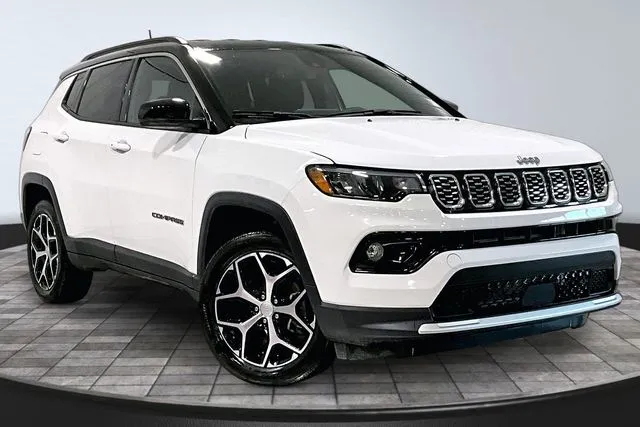
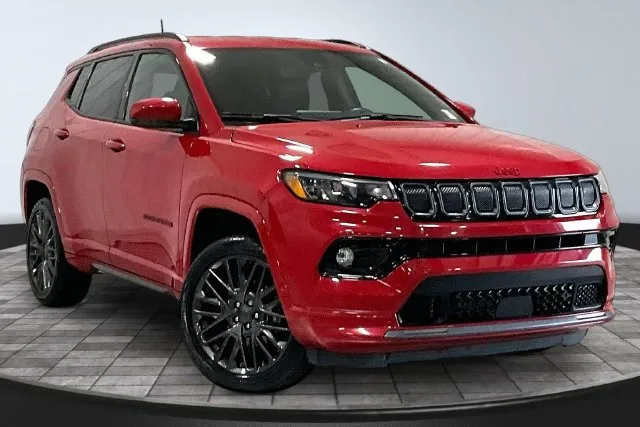
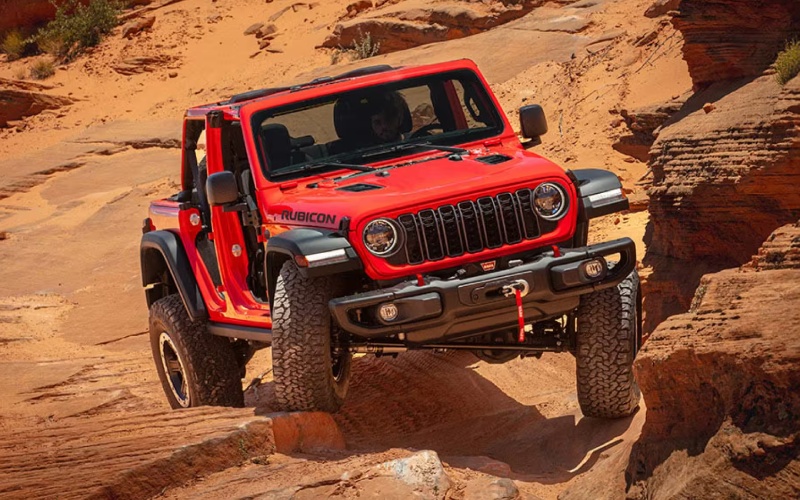
Used Jeep SUVs tend to appeal to shoppers who like a confident seating position, distinctive styling, and the possibility of stronger traction systems. The Wrangler is the most recognizable Jeep option, known for open-air design and off-road spirit, but it is not the only Jeep SUV worth considering. The Grand Cherokee blends comfort with capability and may offer upscale interiors, strong engine choices, and available advanced traction systems depending on trim and year. The Cherokee can be a practical middle ground for shoppers who want manageable size with available four-wheel drive. The Compass and Renegade can work well for shoppers who want smaller dimensions, easier parking, and Jeep styling in a compact package.
For local driving around Huntington, rural lanes and uneven surfaces can make traction, visibility, and suspension feel more important than shoppers first expect. A Jeep SUV may be attractive if you regularly visit outdoor recreation areas, drive on gravel lanes, or simply prefer a more rugged vehicle feel. Still, every used Jeep should be evaluated individually. A well-kept Grand Cherokee can feel composed and comfortable, while a heavily used Wrangler may need closer inspection for suspension wear, tire condition, underbody condition, and drivetrain operation. Brand reputation is useful, but vehicle condition should guide the final decision.
Ford SUVs: Comfort, Space, and Everyday Practicality
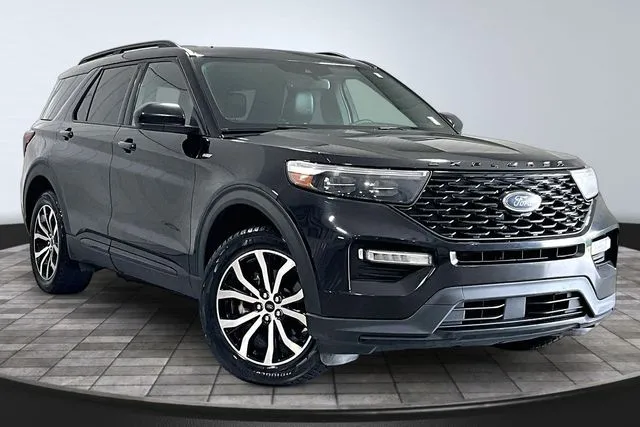
Used Ford SUVs are often strong choices for shoppers who want a refined road feel and a wide selection of sizes. The Escape is a popular compact SUV that can work well for commuting, errands, and smaller families. The Edge offers more interior space and a smooth ride while staying easier to maneuver than larger three-row models. The Explorer is a strong option for families needing available third-row seating, flexible cargo space, and confident highway manners. The Expedition is the larger choice for shoppers who need maximum passenger room, cargo flexibility, and stronger towing potential when properly equipped. The Bronco Sport adds a more outdoorsy feel while staying compact and practical.
A Ford SUV may be especially appealing if your daily routine includes longer highway drives, school drop-offs, customer visits, or family travel. Many Ford models are designed with intuitive controls, comfortable seating, and driver-assistance features that can make regular driving feel simpler. As with any used SUV, shoppers should compare trim levels carefully. Two Ford Explorers from different years or trims can feel very different because equipment, engine options, seating layouts, and technology may vary. Test the touchscreen, climate system, backup camera, charging ports, power liftgate if equipped, and all seat adjustments before making a final decision.
A Practical Shopping Checklist
- Daily route: Consider whether most driving is in town, on highways, on county roads, or across a mix of surfaces.
- Passenger needs: Decide whether two rows are enough or if a third row is important for family, friends, or carpooling.
- Cargo space: Bring common items in mind, such as sports gear, work supplies, strollers, luggage, or tools.
- Drivetrain: Compare front-wheel drive, all-wheel drive, four-wheel drive, and selectable terrain systems based on actual use.
- Service history: Look for maintenance records, consistent oil changes, brake work, tire replacement, and any major repairs.
- Test-drive feel: Pay attention to steering, braking, shifting, visibility, cabin noise, and comfort over rougher pavement.
This checklist can help prevent emotional shopping from taking over. A sharp-looking SUV may catch your attention, but the best used SUV should also feel right during the test drive and make sense after reviewing condition and ownership needs. For Jeep shoppers, confirm that four-wheel drive components work properly where equipped and look for signs of hard off-road use. For Ford shoppers, evaluate transmission smoothness, steering response, technology operation, and seating comfort. In both cases, inspect tire wear, brake feel, suspension noise, dashboard lights, and fluid leaks. A careful review up front can support a better ownership experience later.
Financing, Trade-Ins, and Long-Term Care
Financing can also shape the decision between a used Jeep and a used Ford SUV. A shopper may love one model but find another fits the overall budget, expected maintenance needs, insurance considerations, and long-term plans more comfortably. Online pre-qualification, credit score range tools, and payment calculators can help shoppers understand possible loan terms before visiting. Trade-in tools can also simplify the process by giving a quick estimate for a current vehicle, whether it is a car, truck, or SUV. Looking at the full picture can make the buying process feel more organized and less stressful.
Long-term care should be part of the conversation as well. Routine oil changes, tire rotations, brake inspections, battery checks, diagnostics, suspension service, and climate control maintenance all help a used SUV stay dependable. This matters for both Jeep and Ford models. A vehicle with a strong maintenance history and a sensible care plan is usually a better choice than a similar SUV with unknown upkeep. Before buying, ask what service needs may be coming next based on mileage and condition. Planning ahead can help you enjoy the SUV more and avoid surprises.
Frequently Asked Questions:
Should I choose a used Jeep SUV if I do not go off-road?
You can still choose a used Jeep if you like the design, seating position, and available traction features. However, if most driving is paved commuting, compare comfort, fuel economy, road noise, and cargo space against Ford options before deciding.
Is a used Ford Explorer a better family SUV than a used Jeep Grand Cherokee?
It depends on seating needs. A Ford Explorer often provides three-row flexibility, while a Grand Cherokee may feel more premium and capable in a two-row layout. A Grand Cherokee L can add three-row seating if available.
What matters more, mileage or model year?
Both matter, but condition and maintenance history are often just as important. A slightly older SUV with strong records may be a better choice than a newer SUV with poor upkeep or unresolved issues.
How should I compare two similar used SUVs?
Drive both, review equipment, compare service history, inspect tires and brakes, check feature operation, and think about how each SUV fits your normal routine. The better choice should feel right and make practical sense.