
Brake Fluid and Hydraulic Brake Service for Wabash, IN Drivers
Southwest Auto Sales - Brake Fluid and Hydraulic Brake Service for Wabash, IN Drivers
Brake service is often associated with pads and rotors, but brake fluid is just as important to how your vehicle stops. When you press the brake pedal, hydraulic fluid transfers force through the brake system so the calipers or wheel cylinders can apply stopping pressure. If that fluid becomes contaminated, low, overheated, or moisture-filled, brake performance can feel less confident even when the pads still have usable material. For Wabash, IN drivers who travel local streets, US-24, county roads, and nearby routes toward Huntington, Roanoke, or Fort Wayne, dependable braking is essential for everyday commuting, family errands, work travel, and weekend plans.
Why Brake Fluid Matters
Brake fluid operates under pressure and high temperature. It must remain stable so the brake pedal feels firm and responsive. Over time, most brake fluid absorbs moisture from the surrounding air through normal system exposure. That moisture can lower the boiling point of the fluid, which may contribute to a soft or inconsistent pedal during repeated stops. Moisture can also encourage internal corrosion in metal brake lines, calipers, master cylinders, and ABS hydraulic components. This is why brake fluid should not be treated as a lifetime item. Even if your vehicle stops normally today, aging fluid can slowly reduce system reliability and create more expensive concerns later.
A hydraulic brake inspection can help identify whether the fluid looks dark, the reservoir level is low, or there are signs of leaks around brake hoses, calipers, wheel cylinders, or the master cylinder. A technician may also review pedal feel and braking response during a service visit. If the brake pedal sinks, feels spongy, requires extra effort, or changes from day to day, that is a reason to schedule an inspection. Brake system issues can develop gradually, and catching concerns early helps protect both safety and repair planning.
Brake Fluid Warning Signs to Watch
- Soft brake pedal: A spongy or low pedal may indicate air, moisture, fluid degradation, or a hydraulic issue that needs attention.
- Brake warning light: A dashboard brake light can point to low fluid, parking brake engagement, or another brake system concern.
- Longer stopping distance: If your vehicle needs more room to stop, schedule service before the condition worsens.
- Dark or dirty fluid: Brake fluid that appears very dark may be contaminated and should be evaluated by a technician.
- Fluid leaks near wheels: Dampness around a wheel, brake hose, or under the vehicle can signal a hydraulic leak.
These symptoms should not be ignored because hydraulic brake problems can affect stopping power and pedal consistency. A brake pad concern may create squealing or grinding, while a fluid concern may feel more like a change in pedal pressure. Drivers sometimes describe the pedal as soft, springy, low, or less immediate than before. If your route includes frequent stops through Wabash neighborhoods, school zones, parking lots, or rural intersections, a responsive brake pedal gives you better control in routine and unexpected situations.
What Happens During Hydraulic Brake Service
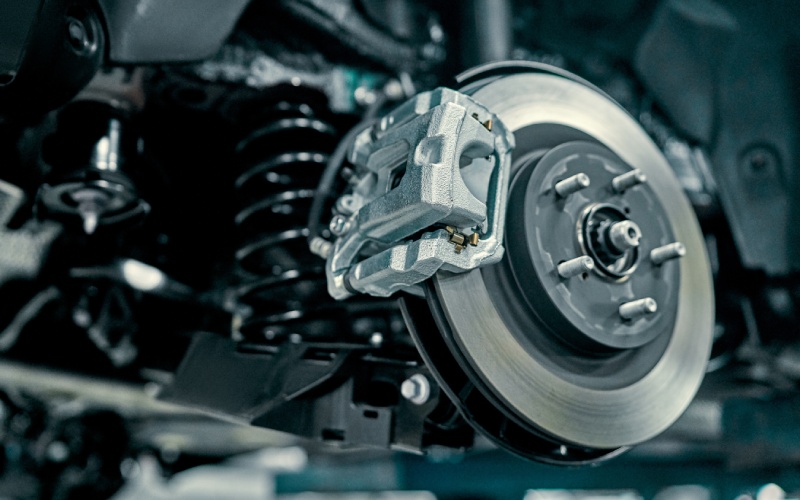
Hydraulic brake service may include checking the brake fluid level and condition, inspecting lines and hoses, reviewing the master cylinder area, looking at calipers or wheel cylinders, and confirming the condition of pads and rotors. If brake fluid replacement is recommended, old fluid is removed and fresh fluid is introduced according to proper procedures for the vehicle. The goal is to restore clean fluid throughout the system and help maintain consistent hydraulic pressure. Some vehicles with advanced braking systems may require specific service steps, which is why professional equipment and trained technicians matter.
Our service department works on all makes and models, including cars, trucks, SUVs, vans, and hybrids. We use up-to-date diagnostic tools and hands-on experience to help identify brake concerns accurately. If a brake issue is connected to the hydraulic system, our team can explain the concern in plain language. If the problem is actually pads, rotors, calipers, an ABS-related issue, or another component, we can help you understand that as well. The best brake service starts with a complete picture, not a guess based on one symptom.
How Wabash Driving Can Affect Brakes
Driving habits play a major role in brake wear and brake fluid condition. Vehicles used for daily commuting, frequent short trips, family driving, work use, or towing may place different demands on the brake system. Stop-and-go routes can generate repeated heat, while heavier vehicles and loaded SUVs may require more braking force. Rural road travel can also mean longer stretches between stops followed by firm braking at intersections or driveways. None of these patterns are unusual, but each one makes routine brake inspections more valuable.
If you recently purchased a pre-owned vehicle, brake fluid service can be especially worth discussing. Used vehicles can have different maintenance histories, and brake fluid is sometimes overlooked compared with oil changes or tire replacement. A simple inspection can help establish a baseline for future maintenance. Our team can review visible brake components, look for signs of leaks or wear, and help you decide whether fluid service belongs on your current maintenance list.
Frequently Asked Questions:
How often should brake fluid be replaced?
The correct interval depends on the vehicle, driving conditions, and manufacturer guidance. Many drivers benefit from periodic brake fluid inspections so a technician can evaluate condition, moisture contamination, and system performance.
Can old brake fluid damage brake parts?
Yes. Moisture-contaminated fluid can contribute to corrosion inside brake lines, calipers, wheel cylinders, and ABS hydraulic components. Clean fluid helps support long-term system reliability.
Is a soft pedal always caused by brake fluid?
No. A soft pedal can come from air in the system, a leak, worn components, master cylinder concerns, or contaminated fluid. A professional inspection is the best way to identify the cause.
When your brakes feel different, your vehicle is asking for attention. Our Roanoke service department is a convenient option for Wabash, IN drivers who want clear answers, skilled technicians, and practical repair guidance. Schedule a brake inspection or hydraulic brake service appointment with our team, and let us help keep your vehicle stopping with confidence.